

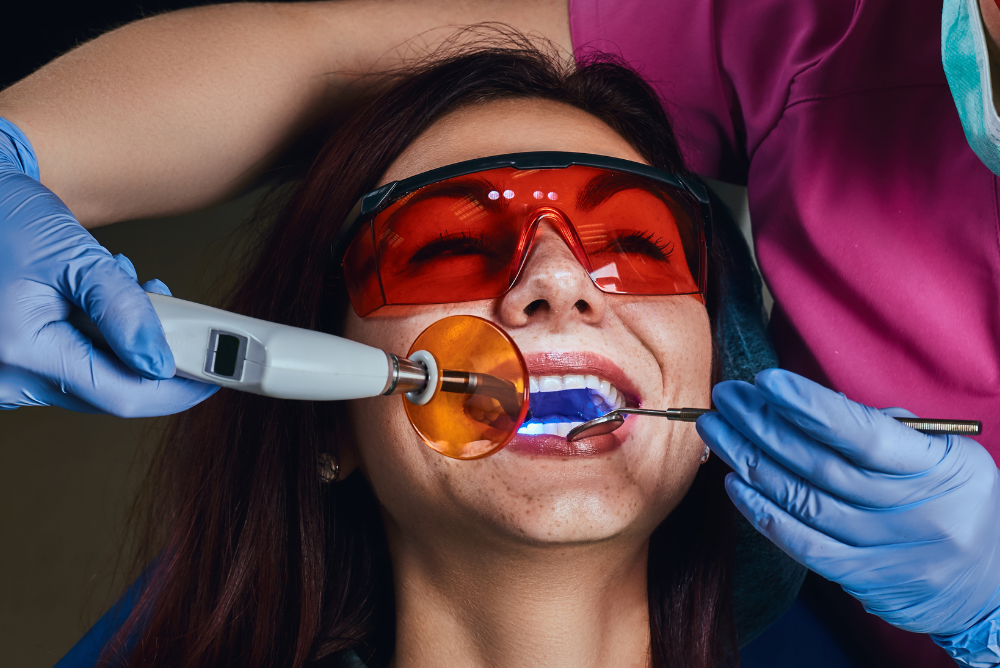
A bright smile makes you confident, and your teeth get increasingly dirty with time. Your teeth may stain as a result of your daily habits, foods, drinks, or age. The good thing is, Teeth Whitening Saskatoon can reduce or remove many of these stains. This will help your smile get fresh and clean again.
Tooth discoloration happens slowly. People often do not notice the discoloration until their teeth look dull or yellow. Being familiar with the causes of stains is the first step to choosing the right approach to whitening your smile.
After learning the causes of tooth staining, many people consult a reliable dentist in Saskatoon to help determine a safe and effective whitening treatment that works for them.
What Types of Tooth Stains Can You Have?
There are different kinds of stains, and each has its main solution. To understand them, easily look at where the stain appears.
- Surface Stains: These stains sit on the outside layer of your teeth. Foods and beverages with strong colours often cause stains.
- Deep Stains: Stains that occur inside a tooth which is harder to remove. They may come from aging, injuries, or long-term habits.
- Stains From Natural Changes: As you get older, the enamel on your teeth gets thinner, revealing more of the inner tooth. This can make teeth look darker.
These kinds of stains will help your oral health team know whether a gentle cleaning, whitening, or another cosmetic option will work best.
What Foods and Drinks Cause Stains?
Everyday foods and drinks that stain your teeth include chocolate, wine and coffee. Teeth Whitening is where many people turn when they want to brighten their smiles.
Common stain-causing items include:
- Coffee and tea
- Cola and sports drinks
- Berries
- Curry and soy sauce
- Tomato sauces
- Red wine
The likelihood of foods and drinks that are darker in shade is higher than those that are lighter.
Book your appointment today for effective dental care in Saskatoon, SK!
How Do Lifestyle Habits Affect Tooth Colour?
Some habits not only affect the colour of your smile but also your enamel’s strength. These habits cause stains to occur easily. They are also easily visible. To achieve strong whitening results, many people turn to professional teeth whitening after eliminating or reducing some habits.
Habits that lead to staining include.
- Smoking or vaping
- Drinking sugary beverages
- Not brushing regularly
- Poor oral hygiene routines
- Not drinking enough water
Changing these habits can prevent new stains from forming.
How Does Professional Whitening Remove Stains?
Professional teeth whitening treatments are among the best ways to get fast results for your smile. The whitening agents they use are safe and penetrate the deep layers of your teeth.
How professional whitening helps:
- Removes strong surface stains
- Lightens deep stains
- Helps your smile look cleaner and brighter
Many patients notice a big change after just one session.
How to Keep Your Teeth White After Treatment
After whitening your teeth, keeping your smile bright is a lot easier if you follow these tips. It can be useful to get guidance from a dentist near Rosewood.
Tips to prevent new stains include:
- Brushing twice a day
- Drinking plenty of water
- Using a straw for coloured drinks
- Limiting coffee and tea
- Rinsing your mouth after meals
- Avoiding tobacco products
Good habits help your whitening results last much longer.
Brighten Your Teeth with Gentle, Effective Methods!
Why wait to have a radiant smile? The whitening treatment with Meadows Dental is the perfect way to start your journey to a fresher, sparkling, and more self-assured smile!
FAQ
- Why do my teeth stain even if I brush every day?
Some stains can’t simply be brushed off, as they are deeper. Food colours, habits and enamel changes also make a big difference
- Is professional whitening safe for my enamel?
It is safe when done by the dentist; it does not harm healthy enamel.
- How long does whitening last?
Good habits can make the result last from a few months to even a year or longer.
- Can whitening work on crowns or fillings?
Whitening only works on natural teeth, not dental work. Your dentist can discuss other options if needed.