

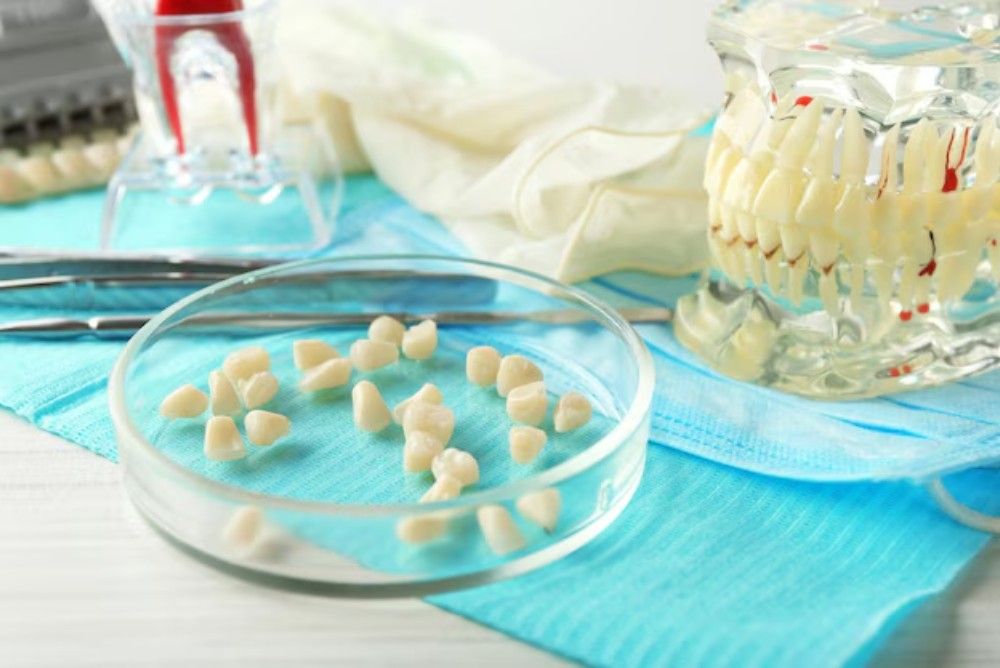
Is your tooth hurting, broken or heavily rotten? You can depend on dental crowns in Saskatoon. Crowns completely enclose the tooth to protect it from further damage and restore its strength, shape, and appearance. The strength, naturalness, and comfort with chewing of a tooth will be affected by the choice of material used to crown a tooth.
Dental crowns will not fit everyone. Each patient’s needs vary based on the tooth’s location, bite pressure, goals, and budget. A trip to the dental clinic near you lets you discuss your options and choose a crown material that best suits your oral health and lifestyle.
Why Material Choice Matters
The material of a crown affects three main factors:
- Appearance: Front teeth usually require crowns that match the colour of your natural teeth.
- Durability: Not all teeth are subjected to the same kinds of pressure.
- Comfort and fit: Dental materials feel smoother and adapt more easily to your bite.
Your dentist can always take you through a material that fits the criteria, ensuring the crown looks and works like a natural tooth.
Get an Effective Dental Care Plan in Saskatoon, SK
We’re here to help – give us a call today!
Common Materials for Dental Crowns
Here’s a detailed look at the most popular dental crown materials:
1. Porcelain or Ceramic Crowns
- Appearance: Porcelain and ceramic crowns are great at imitating the natural colour and translucency of our teeth.
- Durability: These crowns are durable but slightly more likely to chip than metal crowns.
- Best for: Front teeth where appearance is essential.
- Pros: Biocompatible, no risk of metal allergy, very natural-looking.
- Cons: May wear down opposing teeth if the surface isn’t polished carefully.
Porcelain crowns are ideal for people who want a smile that looks completely natural. They are often used in cosmetic dentistry to restore the front teeth without compromising appearance.
2. Metal Crowns
- Appearance: Most commonly made of gold, palladium, or nickel alloys that give a metallic look.
- Durability: Extreme and resistant to breakage or wear.
- Best for: Ideal for the back teeth that endure the most pressure from chewing.
- Advantages: Long-lasting, with minimal tooth removal required.
- Cons: The visible metal is less aesthetically pleasing for the front teeth.
People who want strength and durability over aesthetics will find the metal crown excellent. They are also unlikely to crack under heavy bit g forces.
3. Porcelain-Fused-to-Metal (PFM) Crowns
- Appearance: The outside has a delicate porcelain appearance, while the inside is made of sturdy metal.
- Durability: A porcelain layer can chip, though it’s stronger than pure porcelain
- Best for: Teeth that need optimal strength and natural appearance.
- Pros: Provides a nice balance of good looks and durability.
- Cons: The Metal edge may show near the gum after some time.
PFM crowns can be used on both front and back teeth. They provide an innovative combination of strength and a natural look.
4. Zirconia Crowns
- Appearance: White, tooth-coloured and highly modern-looking.
- Lasts Long: Often stronger than PFM crowns.
- Best for: Ideal for all teeth, including molars, under heavy chewing pressure.
- Pros: Safe for your body, powerful, looks natural, and doesn’t wear down other teeth when polished.
- Cons: It can cost a fortune compared to other materials.
Due to zirconia crowns’ fantastic aesthetics and strength, most dentists now choose them for their patients, as they can be placed on most teeth.
5. Resin Crowns
- Appearance: The colour is tooth-coloured and easily matches the adjacent teeth.
- Durability: It is less durable and can fracture or wear down easily.
- Best for: Most suited for temporary crowns or short-term use.
- Pros: Low cost, fast production, visual appeal.
- Cons: Not suitable for long-term use due to lower strength.
Resin crowns are temporary solutions until the permanent crown is ready to be cemented. The implants offer a quick solution and a natural look.
Comparing Dental Crowns Materials
| Material | Appearance | Durability | Best Use | Cost |
| Porcelain/Ceramic | Very natural | Moderate | Front teeth | Medium–High |
| Metal | Metallic | Very high | Back teeth | Medium–High |
| PFM | Natural with metal | High | Front or back teeth | Medium–High |
| Zirconia | Very natural | Very high | Any tooth | High |
| Resin | Natural | Low | Temporary | Low |
This table helps you quickly compare the pros and cons of each material and decide which option best aligns with your oral health needs.
Factors to Consider When Choosing a Dental Crowns
Your dentist in Saskatoon will consider several factors when choosing the right crown material.
- Tooth location: Front teeth crowns are made to look natural, while back teeth need stronger materials.
- Bite pressure: If you bite hard, you may need durable crowns such as zirconia or metal.
- Allergies or sensitivities: Some patients react to certain metals.
- Budget vs. longevity: Consider both the cost and the length of time you want the crown to last.
- Aesthetic goals: Tooth-coloured crowns offer a more natural smile.
Considering these factors ensures you choose a crown that balances comfort, durability, and appearance.
Get an Effective Dental Care Plan in Saskatoon, SK
We’re here to help – give us a call today!
Take the Next Step Toward a Healthy Smile!
What is the best material for the dental crown? Crown selection is an essential factor that affects the comfort, durability and appearance. Take the first step towards restoring your smile with confidence! Contact Meadows Dental today to discuss your options and find the right solution for you.
FAQs
How long does it take for a crown?
Most crowns need two appointments. The initial appointment includes tooth preparation and impression-taking; the subsequent appointment involves placement.
Is a crown procedure painful?
You won’t feel anything thanks to the local anesthetic. You may feel some mild sensitivity.
Can a crown fall off?
Rarely. Proper cementation and good oral care help secure crowns. Trauma or decay underneath can cause issues.
Are metal crowns noticeable?
Yes. Metal crowns are not tooth-coloured and are usually used for molars or back teeth.