

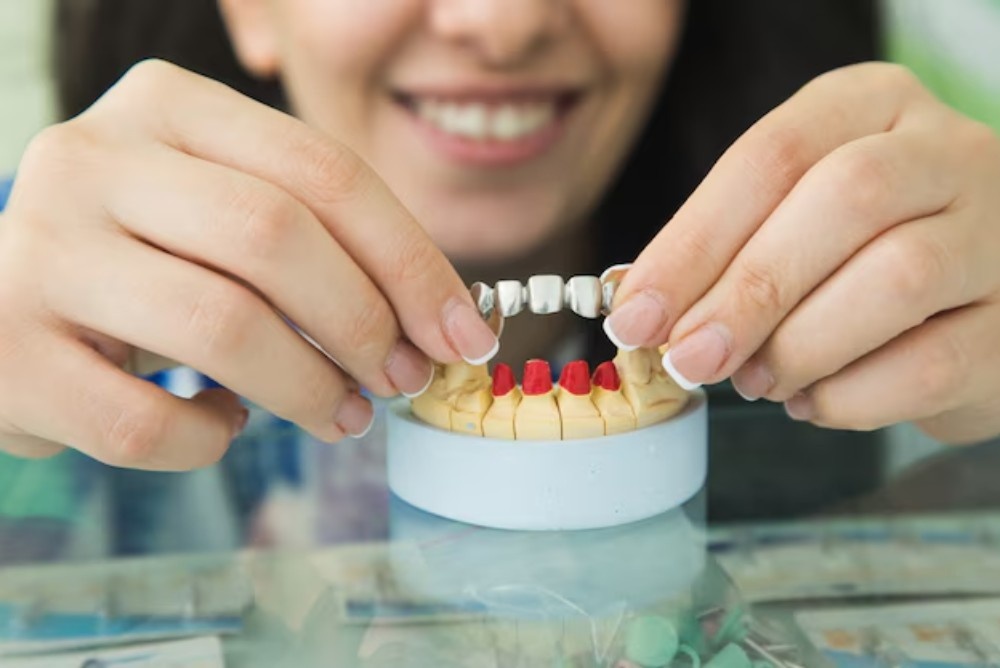
What happens when a tooth is missing and left untreated? A missing tooth affects more than just the space. It can cause nearby teeth to shift, change how pressure is shared when you chew, and disrupt your bite. Dental bridges in Saskatoon help solve this problem by securing a replacement tooth to the surrounding teeth.
If you are considering dental bridges, understanding how they replace missing teeth—not just that they do—can help you decide whether this treatment is right for you.
How a Dental Bridge Fills the Gap Left by a Missing Tooth
A dental bridge takes the form of a false tooth anchored between two natural teeth. These natural teeth provided support. The suspended replacement tooth will balance your bite in the gap.
This is the stepwise operation of the bridge.
- The gap left by the missing tooth is carefully measured.
- The teeth next to the gap will be shaped to receive support.
- A false tooth is fitted in between them.
- The bridge is fixed in place and secured for daily use.
This design enables the bridge to act like a natural tooth, despite the support of adjacent teeth.
Book your appointment today for effective dental care in Saskatoon, SK!
Why Nearby Teeth Are Essential for Dental Bridges
Dental bridges depend on the strength of surrounding teeth. These teeth carry the load when you chew or bite down. Without strong supporting teeth, a bridge would not stay stable.
This is why your dentist in Saskatoon checks:
- Tooth strength on both sides of the gap
- Gum health around the support teeth
- Bite pressure and alignment.
When these factors are healthy, dental bridges can safely replace missing teeth without shifting or loosening.
What Happens to Your Bite When a Tooth Is Missing
A missing tooth causes more than a visible space. Over time:
- Nearby teeth tilt toward the gap.
- Opposing teeth move downward.
- Chewing pressure becomes uneven.
- Jaw strain may develop.
Dental bridges correct this by restoring contact between teeth. Once the bridge is placed, chewing forces are evenly distributed again, helping protect the jaw and remaining teeth.
The Role of Tooth Preparation in Dental Bridges
Before a bridge can replace a missing tooth, the support teeth must be prepared. This allows the bridge to fit securely and stay in place.
Tooth preparation involves:
- Smoothing the outer surface of the support teeth
- Creating space for the bridge to sit naturally
- Ensuring a snug and stable fit
This step is essential for long-term success and comfort at a dental clinic near you.
How Dental Bridges Restore Chewing and Speaking Ability
Individuals who are missing teeth may have a tougher time chewing food and pronouncing sounds. A bridge restores the space so that the tongue and teeth work together again.
Dental bridges provide help by.
- Restoring full chewing surfaces
- Keep food from getting stuck in gaps.
- Help to sound speech clearly.
- Improving the balance of bites
Once placed, most patients find daily living more natural again.
How Long Can Dental Bridges Replace Missing Teeth
Dental bridges are designed for long-term use. With proper care, they can serve as a dependable replacement for many years.
To protect your bridge:
- Brush twice daily
- Clean around the bridge carefully.
- Avoid chewing ice or complex objects.
- Attend regular dental visits.
Consistent care helps the bridge continue to perform its function without issues.
Who Can Benefit Most From Dental Bridges?
Dental bridges work best for patients who:
- Have one or more missing teeth.
- Have healthy teeth besides the gap.
- Want a fixed replacement option.
- Prefer a natural-looking solution.
A detailed exam helps confirm if bridges are the right choice for your mouth.
Get an Effective Dental Care Plan in Saskatoon, SK
We’re here to help – give us a call today!
Ready to Replace Missing Teeth With Confidence?
If you’re having trouble due to gaps in your smile, you can ask an expert for help. Approach your complete smile more thoroughly. To help you restore comfort, balance, and confidence, schedule a consultation today with the friendly team at Meadows Dental and find out how.
FAQs
How does a dental bridge remain stable?
A dental bridge is securely anchored into the two adjacent teeth beside your missing tooth to stay in place. Adjacent teeth hold the bridge in place and serve as anchors. Once in place, the bridge does not move while eating or talking. It acts like a natural tooth.
Can a dental bridge replace more than one missing tooth?
Yes. A dental bridge can replace more than one missing tooth in a row as long as there are healthy teeth on each side of the gap. These support teeth help keep the bridge stable and dental bridges restore normal chewing and bite balance.
Will my bite feel different after a dental bridge?
Sure, we can certainly do that. A dental bridge replaces missing teeth to maintain even chewing action. When your bite is aligned correctly, your teeth work together as they should, which means less strain on the jaw and easier eating on a day-to-day basis.
Can food become trapped underneath a dental bridge?
If food isn’t properly cleaned, it can settle around a dental bridge. When you use special floss, brushes, or water cleaners, they remove stuck food and clean it. With good daily care, the bridge stays comfortable and clean.